Your Soccer Player Is Limping After the Game. What Should You Do?
Michael Ricchiuto, MPT, MBA | Founder and Physical Therapist, Physical Therapy Now
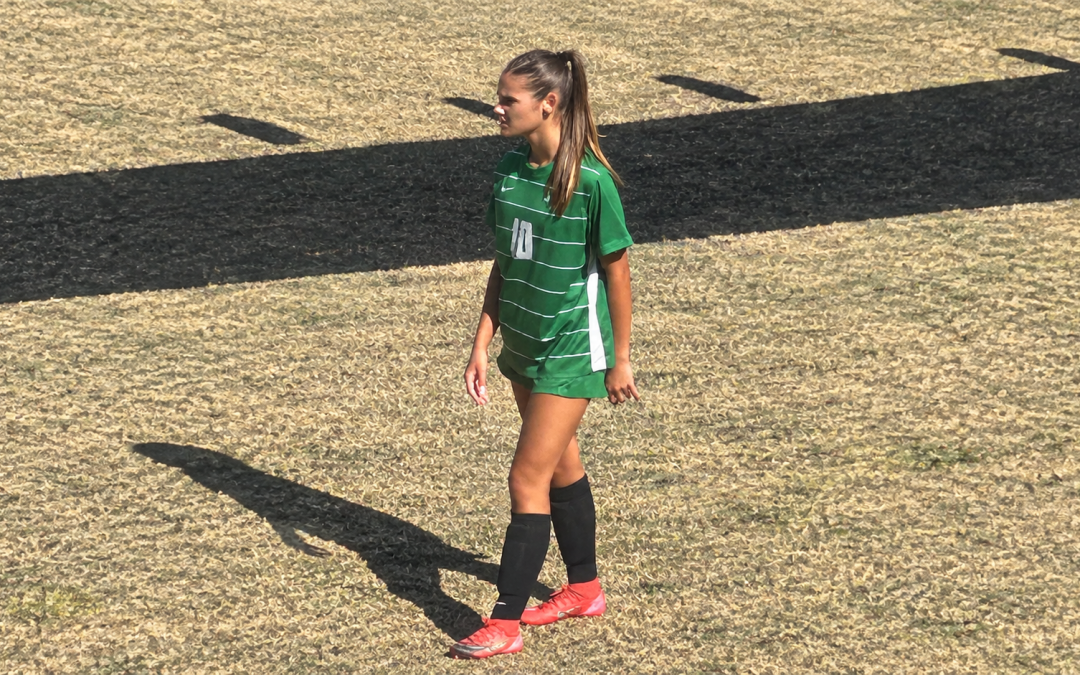
The game is over, the cleats are in the car, and your child says, “It’s fine.” But you can see the limp.
If you’re a Pittsburgh soccer parent, you know the calculation that follows: Is this ordinary soreness? Should they sit out practice? Does the injury need a doctor? And how do you help them get back on the field without rushing it?
The answer depends on what happened, where it hurts, and how your child moves now. Here’s a practical place to start.
First, watch how they walk
After a fall, collision, or awkward landing, have your child stop playing and check for swelling, bruising, and difficulty putting weight on the leg. Don’t ask them to “run it off” to test whether they can finish the game.
Seek prompt medical evaluation if your child cannot bear weight, has significant swelling or deformity, or has marked tenderness over a bone. A painful, swollen ankle may be a sprain, but a fracture can look similar. A sudden knee injury with a pop, rapid swelling, or a feeling that the knee gives way also deserves medical attention.
If there was a hit to the head or body followed by headache, dizziness, confusion, or other concussion symptoms, remove your child from play and arrange medical evaluation. A suspected concussion is never a same-day return-to-play decision.
The soccer injuries parents commonly notice
Ankle pain after a twist. Soccer demands quick cuts, uneven landings, and changes of direction. An ankle sprain can affect more than pain: lingering weakness or poor balance may make another sprain more likely. Once a serious injury has been ruled out, rehabilitation can help restore movement, strength, balance, and confidence.
Knee pain that builds over a season. Pain around or below the kneecap may develop gradually, especially when games, practices, and extra training leave too little recovery time. Growing athletes can also develop pain near the top of the shinbone. The right plan starts with identifying the source of pain and looking at the player’s total workload.
Pain after a sudden cut or landing. A knee that swells quickly or feels unstable needs an appropriate medical assessment. For a soccer player recovering from a significant knee injury, getting back to normal daily walking is only one milestone. Running, decelerating, cutting, and returning to competition place much greater demands on the leg.
Aches that keep returning. If your child feels better after a day off but pain returns at every practice, the problem may not resolve simply by waiting until the next game. It is worth assessing how they move and whether training demands have outpaced recovery.
How can physical therapy help a soccer player?
At Physical Therapy Now, we begin by listening to the athlete and parent: When did the pain start? What makes it worse? What has changed in practices or games? Then we assess the movements relevant to soccer.
Depending on the injury, a physical therapy plan may work on mobility, strength, balance, landing control, and a gradual return to running and cutting. We also help families understand which activities are appropriate during recovery and when another medical evaluation is needed.
The goal is more useful than simply getting through Saturday’s match: help your child return with the ability to handle the demands of soccer. The timeline is individual, based on the injury and the athlete’s progress.
Three questions to ask before the next practice
- Are they still limping? A child who cannot walk normally should not be expected to sprint and cut normally.
- Does soccer activity bring the pain back? Repeated pain during or after play is information worth taking seriously.
- Can they do more than run straight ahead? Soccer also requires stopping, turning, balancing, and reacting to other players.
If you’re unsure, an evaluation can give you a clearer next step. You do not have to guess between “play through it” and “sit out the whole season.”
Soccer injury help in Fox Chapel and Pittsburgh
Physical Therapy Now works with athletes and active families at our Fox Chapel/Glenshaw and Penn Avenue Pittsburgh locations. If your child has ankle pain, knee pain, a recurring soccer injury, or difficulty getting back to play, call (412) 406-8196 to discuss an evaluation and the appropriate next step.
Contact Physical Therapy Now or learn more about our Fox Chapel/Glenshaw and Penn Avenue Pittsburgh offices.
This article is general education and cannot diagnose an injury. Seek urgent medical care for a serious injury or concerning symptoms.
Sources: American Academy of Pediatrics: soccer injuries · American Academy of Pediatrics: overuse injuries · American Academy of Orthopaedic Surgeons: ankle sprains · American Academy of Pediatrics: sports concussions